Posted in Content Planning · 2 min read
How comment & DM specialists can plan a month of content in an afternoon
Adding content planning as a service doesn't need a dedicated hire. It needs one protected afternoon and a repeatable system.
Farhad
In short
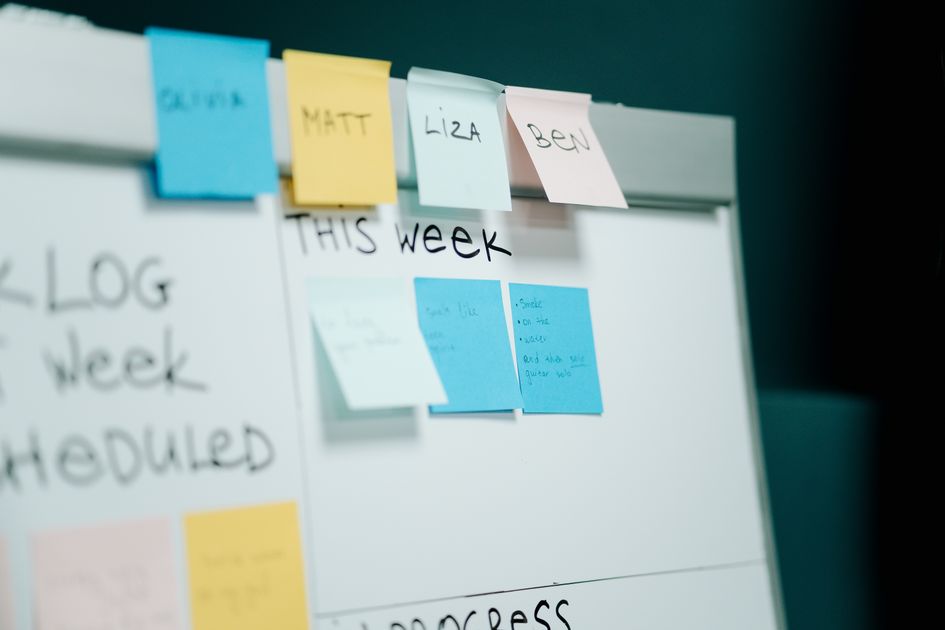
Adding content planning as a second revenue line doesn't require a dedicated new hire — it requires one protected afternoon, structured as a team batching session, kept separate from reply coverage responsibilities. A concrete system for making that afternoon productive across a full client roster without disrupting the reply-focused rhythm the rest of the team runs on.
Key takeaways
- Adding content planning as a service doesn't require a dedicated hire — it requires protected time and a system.
- This session should be explicitly separated from reply coverage shifts, not layered on top of them.
- Batching by theme first, then specifics, works the same way for a team as for a solo operator.
- A team session benefits from one person driving the structure while others contribute ideas per client.
- This is a repeatable monthly ritual, not a one-time project to figure out from scratch each time.
Adding content planning as a second revenue line doesn't require a dedicated new hire — it requires one protected afternoon a month, structured as a team session, kept clearly separate from reply coverage.
The system: one team session, three passes
Pass 1 — themes, per client (30-45 minutes) — One person drives the structure while the team contributes client-specific theme ideas — a promotion, an educational angle, a behind-the-scenes moment — for each account on the roster.
Pass 2 — fill in specifics (60-90 minutes) — Turn themes into actual post ideas with rough direction, divided across team members by client familiarity rather than everyone touching everything.
Pass 3 — cross-check for consistency (20-30 minutes) — A final review across all clients, checking that each one's planned content still sounds like their specific voice rather than a generic version any client could have received.
Why this needs to be explicitly separate from reply coverage
Layering planning on top of reply shifts just recreates the same competition for attention that causes planning to slip in the first place. A clearly separate, protected block — not an extension of a reply shift — is what actually makes this sustainable as an ongoing service.
Why one person should drive the structure
Without a clear owner of the session's structure and timeline, a team planning session can sprawl. One person keeping the three-pass format on track, while others focus on client-specific content, keeps the session efficient enough to fit in one afternoon.
Why this needs to be repeatable, not reinvented monthly
The first session will likely take longer while the team establishes the format. Treating it as a fixed monthly ritual — same structure, same time commitment — is what makes content planning viable as an actual sellable service rather than an occasional scramble.
Your next step
Schedule your team's first content-planning afternoon this month, explicitly separate from reply coverage shifts, and run these three passes. Expect the first one to take longer than it will once it's a habit.
If faster reply drafting frees up team time for this session, see how Reply Pilots works — faster replies, more room for planning as a service.
Related reading
- How to plan a month of social content without losing your mind — the general planning guide this system is built from
- Why comment & DM specialists fall off their posting schedule — the problem this system solves
- A realistic daily reply schedule for comment & DM specialists — the reply-coverage structure this planning session stays separate from
See the dedicated Reply Pilots page for Comment & DM Specialists for everything else built for this role, and how Reply Pilots works for the product this article is about, end to end.
Frequently asked questions
Does adding content planning require pulling someone off reply coverage entirely?
For one protected afternoon a month, yes for that block — but it doesn't require a permanent reallocation, since the rest of the month continues as normal reply coverage.
How should a team divide this work during the session?
One person driving the overall structure (themes, timeline) while others contribute client-specific ideas tends to work well, keeping the session organized rather than freeform.
Can this become a real, sellable service with this level of time investment?
Yes — a repeatable, efficient monthly system is exactly what makes offering content planning as a service viable without requiring dedicated headcount.
What happens the first time this session runs, before it's a habit?
It typically takes longer than later sessions — treat the first one as building the system, with faster, more efficient sessions following once the format is established.
Related articles
Comment & DM Specialists: A Content Calendar Template That Actually Gets Used
You're not the one planning the content — but you still need to know what's coming. Here's a template built for exactly that.
Read article →
DM-to-Book Agencies: A Content Calendar Template That Actually Gets Used
Not every post is meant to generate a DM. Here's a calendar template that tracks the ones that are — and when to expect the resulting conversations.
Read article →
Freelance Social Managers: A Content Calendar Template That Actually Gets Used
Most content calendar templates are built for teams. Here's one built for a solo operator who has to actually keep it updated alone.
Read article →